Free sprint, Olympic, and Ironman triathlon training plans: 28 coach-built plans for all distances
Whether you're targeting your first triathlon or you're an Ironman pro, we've got a triathlon training plan to suit you. Written by our expert coaches, browse our 28 free guides today.

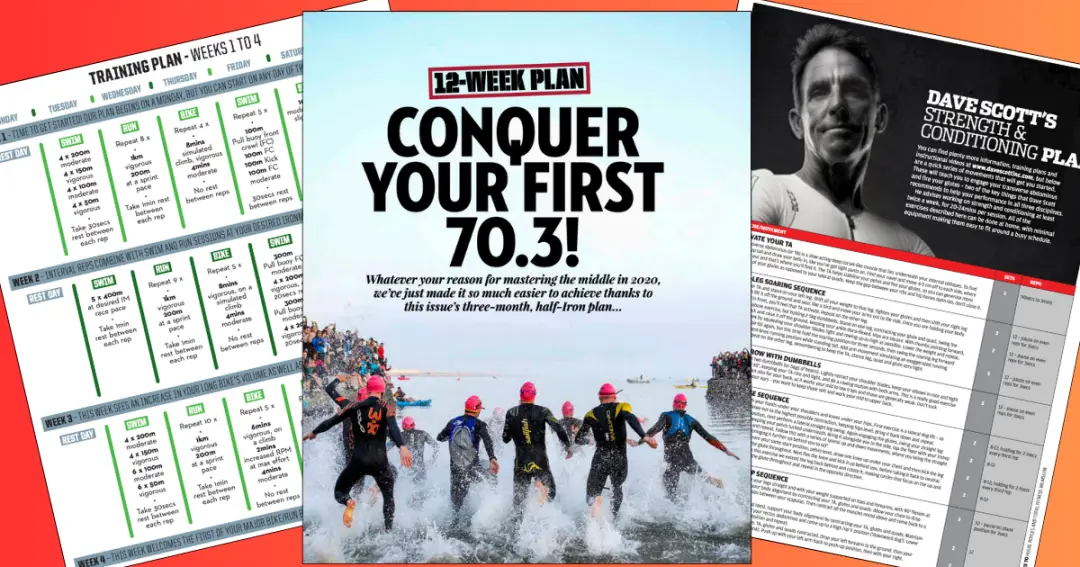
Embarking on a triathlon can feel daunting. With three disciplines to train for, as well as transitions to practise, it can be tricky to know how to balance your training. That’s where a triathlon training plan comes in.
Here you will find training plans for all distances from supersprint to Ironman, as well as single-sport and strength plans to optimise every aspect of your triathlon performance. Pick from plans for complete beginners, intermediate, and advanced triathletes, with options spanning 8-weeks to 12 months.
Following a structured training plan will give clear guidance, clarity, and progression to your triathlon journey. Follow the links below to the right training plan for you and find the downloadable plan, along with a full breakdown of the sessions involved plus useful training tips and tricks.
How our training plans work

The triathlon training plans you can find on this site are curated from the pages of 220 Triathlon and written by some of the best in the sport. The coaches writing for us are time-served and include Dermott Hayes, Philip Hatzis, Joel Enoch and Joe Beer. We also include plans and sessions from some of the best athletes in triathlon, including multiple Ironman champions Dave Scott and Chrissie Wellington. Other long-term contributors to the site have included athlete Dave Bishop, Professor Greg Whyte and British Triathlon coach Ben Bright.
How to find the right training plan for you

So where to start? Hopefully, you have a race in mind already. If not though, having a look at some of the plans available will give you a good idea of the kind of time you will need to train, as well as the level of ability. We would always recommend starting with a small(ish) race to give you an idea of how the three disciplines feel together, as well as to see if you can manage the volume of training. So look for a novice, super-sprint, or sprint race
If you are more experienced or know you are keen to go longer, then look for an Olympic, 70.3 (half-Ironman), or Ironman training plan. Also on the site, you can find strength and conditioning plans to help support your cardio training.
Sprint triathlon training plans

If you’ve decided that a shorter race is for you, then one of these plans should tick all the boxes. Many people new to triathlon find the open water swim daunting, but working on your front crawl skills to train for your first triathlon can really make a difference.
Dermott Hayes shows you how to transform your front crawl in just six weeks, or you could try this plan to develop open water swim skills in eight weeks. Once the basics are down, it’s time to aim for a shorter distance triathlon or dual-sport race. Here are our free, coach-built training plans:
- Beginner’s triathlon training plan
- Free 4-week duathlon training plan
- Free 8-week duathlon training plan
- Super-sprint triathlon training plan
- Sprint triathlon training plan
Olympic distance triathlon training plans

The Olympic-distance triathlon, as the name suggests, is the distance you’ll see athletes taking part in at the Olympic Games – so if you’re thinking about taking on one of these you’re in excellent company!
We have several Olympic distance triathlon training plans available to download which means whatever your ability and goals, there will be one to suit you. If you are new to this distance then you could go straight to the beginners’ Olympic distance triathlon training plan. Otherwise, here are our free coach-built Olympic triathlon training plans to choose from:
Half-Iron 70.3 triathlon training plans

Also known as the half-Ironman, a 70.3 is long enough to be a proper big challenge, but without the all-encompassing feel of an Ironman. Take one of these on and your mates will be properly impressed and it’s a great option if you are shorter on time, but keen to find a decent challenge to fundraise for a charity.
Again, we have multiple 70.3 training plans for you to choose from, as well as plenty of advice for beginners to the 70.3 distance. Strength and conditioning is a good idea for all athletes, but once you move up the distances and training loads increase you’ll really start to notice it if you skimp on looking after yourself.
This simple eight-week strength and conditioning plan for triathletes is a great place to start. Once you’ve got your base fitness down, start on one of our free, coach-built 70.3 triathlon training plans:
Ironman triathlon training plans

Ironman is arguably the distance that will take the most planning (and training!) with long swims, cycles and runs needed as well as brick sessions and strength and conditioning. When endurance is the name of the game then you need to make sure you approach your training methodically and realistically. Your goal will play a part here.
Are you a completer or a competer? Do you just want to ‘get round’ or do you have a goal time in mind? How long it takes to train for your Ironman race will depend on your base level of fitness. Unless you’re a seasoned triathlete, we’d recommend that you give yourself at least 6 months to build your training at a safe rate to avoid injury. This could mean combining one of the below plans with a strength or build plan for the best results.
There are seven free Ironman triathlon training plans to choose from including base training, run-focussed and with three-month or six-month options:
Single sport and strength training plans
Aside from the race distances, there are plenty of other training plans to discover which will help you hit your goals (and hopefully pick up some good advice and have fun along the way!). These shorter 8-week plans range from off-season maintaining fitness plans, to single-discipline focus, and strength building, to get you into the best shape possible for your next triathlon season.
Here are a few of my favourites:
- Coach Dave Scott’s home strength and conditioning plan for triathletes
- 8-week winter base strength training plan
- 8-week strength training plan
- 8-week off-season training plan for any level
- 8-week improve your run speed training plan
- 8-week open-water swim strength and confidence training plan
- 8-week swimrun training plan
- 8-week triathlon brick training plan
- Free 3-month winter training plan
How to build your own training plan

Hopefully you’ve found everything you need and are feeling confident about hitting all your race goals, but if your goal is more specific than the ones we have here, why not create your own training plan.
The key is to focus on gradual, sustainable progress. Legendary coaches like Joe Friel advocate doing the least amount needed, aiming for continual improvement, and ensuring every session is specific to triathlon performance. That means structured sessions with clear purposes: build fitness, maintain performance, or recovery.
Base your weekly structure on your event distance. For Olympic-distance events, aim to complete 75% of race distances in training. For longer races, commit to 2–3 sessions per discipline weekly. Progress slowly: no more than 5–10 minutes increase per week in each discipline.
Incorporate rest days and recovery weeks (every 4th week should be half volume ‘deload’). Use race-specific workouts and brick sessions (bike-to-run) in the final eight weeks, along with occasional build-up ‘B’ or ‘C’ races. Track your training—whether via tech or pen and paper—to maintain motivation and monitor progress.
Finally, taper effectively before race day: reduce volume, maintain intensity, and tailor your taper to how your body recovers. A triathlon training app could be a great tool to supplement your plan and keep your training on track.
How to train for your first triathlon
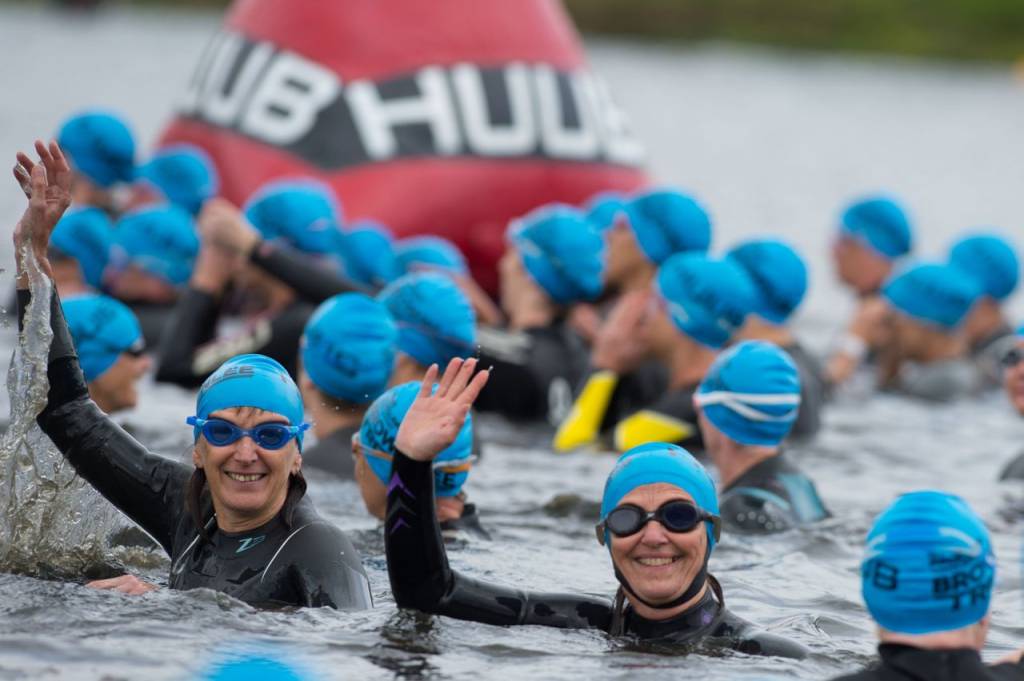
Training for your first triathlon can feel overwhelming, but breaking it down into manageable steps makes it achievable, and even fun. Start by choosing a beginner-friendly sprint-distance race, then build a consistent weekly routine around swimming, biking, and running.
Focus on frequency over intensity at first, two sessions of each discipline per week is a solid goal. Brick sessions (doing two sports back-to-back, like bike then run) are key to preparing your body for race day transitions.
Don’t neglect strength work and mobility, as they help prevent injury and improve overall performance. Practice open-water swimming if your race isn’t in a pool, and try out your race kit in training. Most importantly, train at your own pace as consistency beats perfection. With a little structure, some patience, and a healthy sense of adventure, you’ll not only get to the start line, but across the finish with a smile.
How fit do you have to be to do a triathlon?
You don’t need peak fitness to start triathlon, just the ability to swim, bike, and run for 20–30 minutes each. Supersprint and Go Tri events are great entry points, with short, manageable distances and pool swims where breaststroke is welcome.
Training two times per discipline weekly is enough to prepare. As distances grow, so should your training, focusing more on endurance and consistency. For Ironman, expect a serious time commitment and structured plan. Ultimately, triathlon is inclusive, achievable, and rewarding for all levels.
How to train for a triathlon PB
Training for a triathlon personal best starts with building smart structure into your routine because speed comes from strategy, which is where one of these training plans come in.
Break your week into focused sessions for each discipline, making sure every workout has a purpose: technique refinement, aerobic conditioning, or high-intensity power. Consistency wins every time, so embrace progressive overload rather than overload weeks that can lead to burnout. Also, don’t underestimate brick sessions: training your body to switch from bike to run smoothly is one of the most potent tools for shaving minutes off your time.
Beyond the physical work, a PB depends heavily on recovery, fueling, and race-specific rehearsal. Prioritize sleep, hydrate religiously, and dial in your nutrition long before race dayso there’s no surprises. Practice pacing by heart rate or power so you avoid the classic trap of burning too hot early. In the final weeks ahead of the big day, simulate race conditions: swim in open water, ride your race bike on terrain and elevation similar to the course, and run off the bike at your target pace.


 Helen Webster
Editor, 220 Triathlon
Helen Webster
Editor, 220 Triathlon